
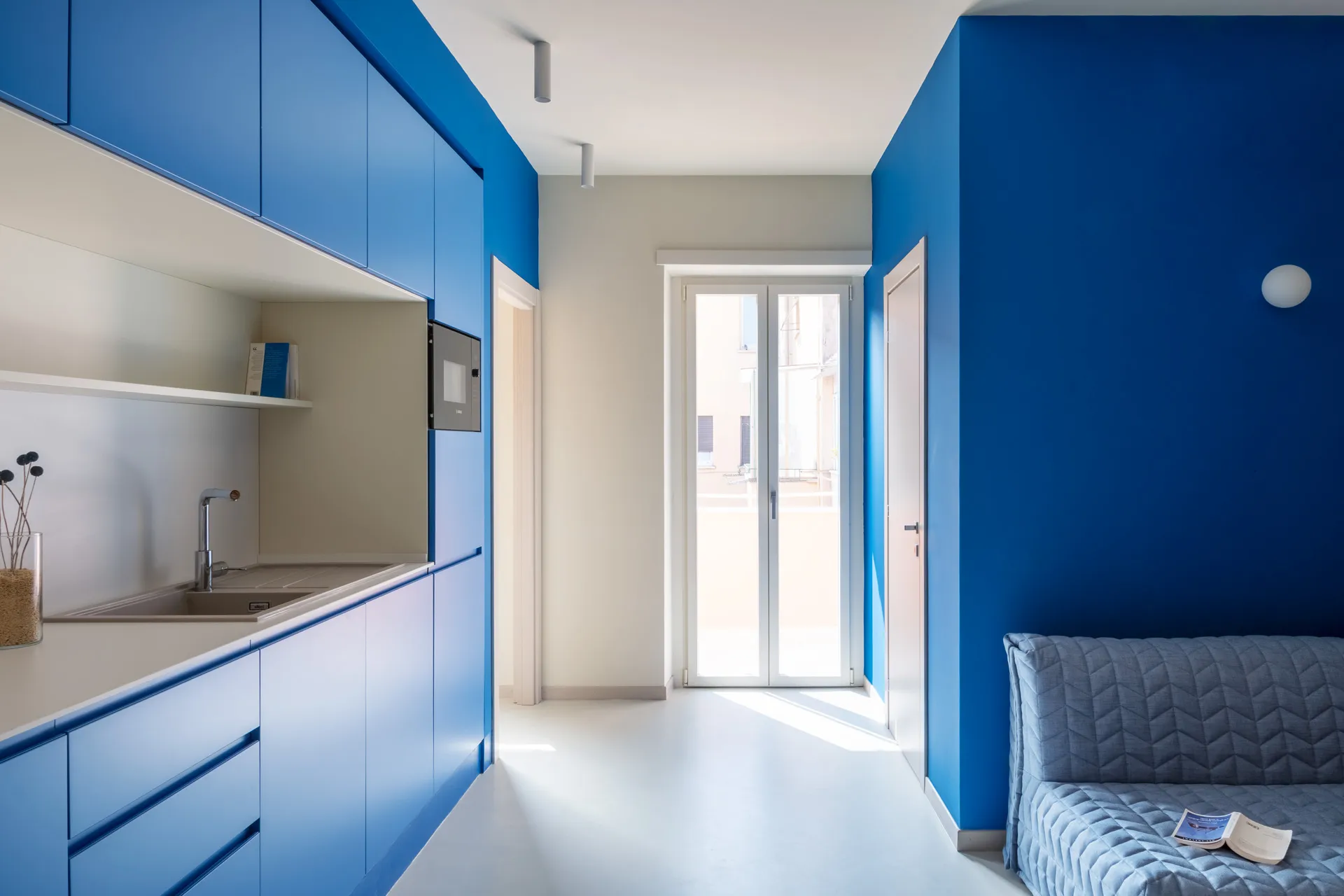
Short-term rentals in Rome are now a widely discussed topic. A business that may appear simple and profitable: short stays, the possibility of regaining possession of the property whenever needed, greater control compared to long-term rentals, and seemingly high returns.
In recent years, however, reality has changed. In Rome — partly due to expectations surrounding the Jubilee — many believed they could profit by opening a holiday home. The result? A highly competitive market where increasingly refined, professionally managed and well-designed properties compete, often at very aggressive prices. Meanwhile, while supply has grown, pilgrimage-related demand has often been absorbed by religious accommodation rather than private short-term rentals.
From Then to Now: The Evolution of Short-Term Rentals in Rome
• 2008: Airbnb listings in Rome were almost non-existent, and overall quality was relatively low.
• 2018-2019: The first boom in short-term rentals, with over 30,000 listings in the city, especially in the historic centre.
• 2020: Covid caused a collapse in demand and a sharp drop in bookings.
• 2021-2022: The restart. To win back travellers after the pandemic, hosts raised cleaning standards, improved accommodation quality and often renovated their properties.
• 2023-2025: A second boom and a more mature market. According to Airbtics, active listings in Rome increased from 25,720 in 2024 to 29,378 in 2025. Today, Superhosts, professional managers and high-design properties dominate: quality has become the key to success.
Why You Can’t Improvise
If once it was enough to furnish a property in a “nice” way, today that is no longer the case.
Guests now expect accommodation designed around their travel habits: the sleeping area must be comfortable, as they typically return only to sleep; they appreciate air conditioning but often use it excessively, making it important to install efficient systems that help limit consumption. And these are just a couple of examples among the many details that need to be considered.
But that’s not enough. In such a competitive market, a distinctive and appealing design is essential. Guests don’t book neutral or impersonal spaces: they choose homes that stand out, capture attention and turn the stay into a memorable experience (we also discussed this in this article).
The Importance of Design and Strategy
Opening a holiday home today is not simply about “renting out” a property. It requires:
- Feasibility study → to understand whether opening a hospitality property is truly worthwhile or whether other income models (mid- or long-term rentals, mixed-use strategies, etc.) may be more suitable.
- Regulatory analysis → because not every property meets the requirements to become a holiday home or guest house.
- Business model definition → short-term rentals, holiday home, guest house, etc.: each option follows different rules.
- Renovation and interior design project → design cannot be generic. It must arise from analysing guest behaviour and needs. For example, in the Station to Station project near Termini we targeted a young, international audience; for Green House and Blue House near the Vatican we designed flexible spaces for families and couples. In both cases, the design was bold and distinctive, tailored to the target, yet optimised in terms of investment to ensure economic return.
- ROI calculation → estimating costs, investment levels and expected returns.
Download the guide “The Value of a Property”
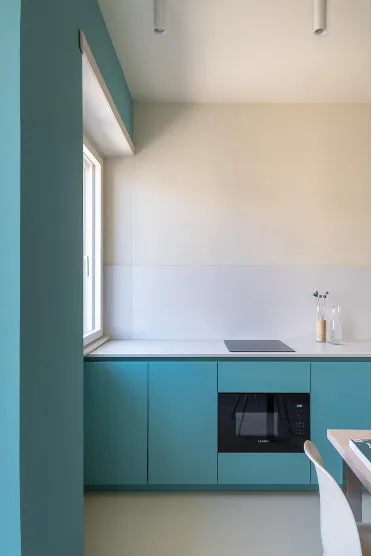
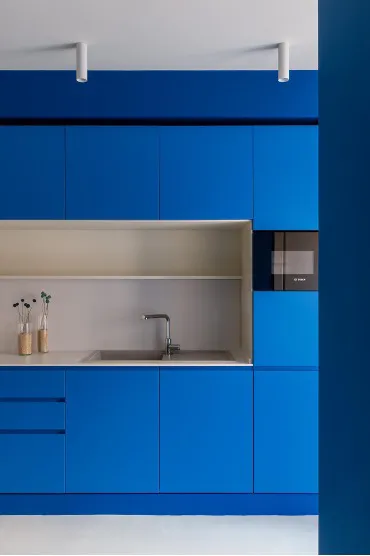
Green House and Blue House: holiday homes designed by Amnios Architettura.
Why Choose Amnios
At Amnios, we are architects specialised in property renovation and income-driven real estate projects. Not only that: we are also owners and operators of short-term rentals in Rome. This means we understand the market from both a design and a management perspective.
We have already helped several property owners transform their homes into successful hospitality properties, through projects that combine:
- • feasibility studies
- • unique and recognisable design
- • space optimisation
- • regulatory compliance
- • management strategies
Would you like to know whether your property could become a successful short-term rental — in Rome or elsewhere?
Book a free consultation with Amnios and discover how we can support you from feasibility analysis to design — and guide you through the management phase as well.